Boiler Losing Pressure: Causes & Safe Next Steps
If your boiler keeps losing pressure, it can be worrying, especially during colder months. The good news is that many pressure issues have fairly common causes, and there are some simple, safe checks you can do before calling out a heating engineer.
Understanding your boiler pressure gauge
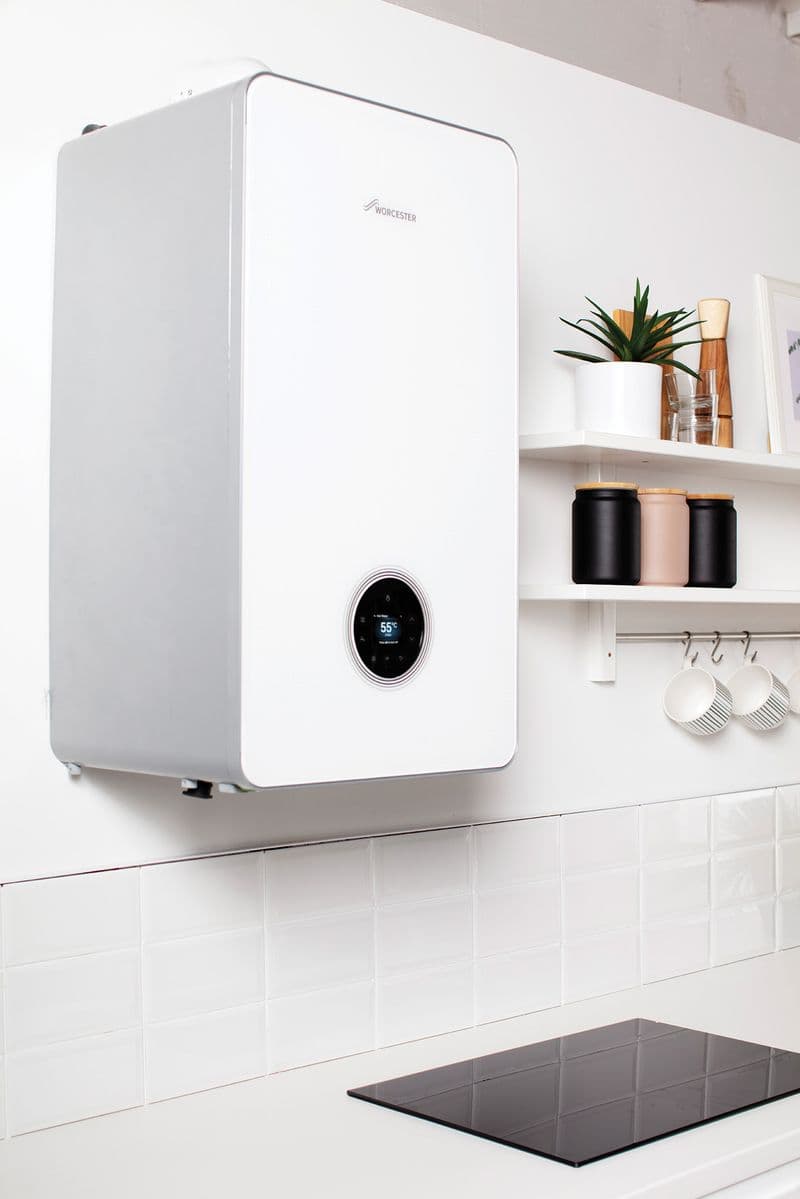
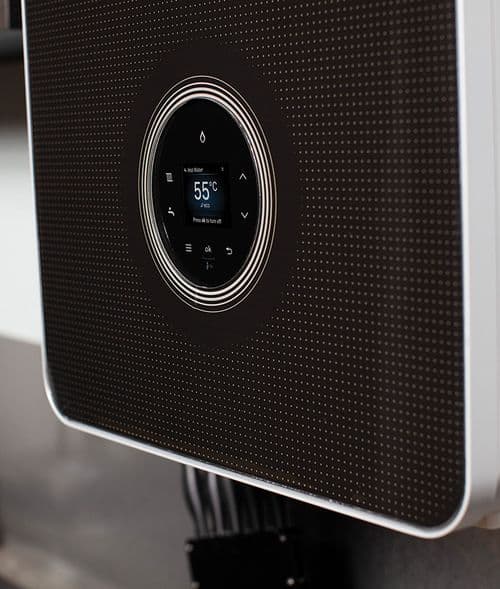
Most modern combi and system boilers have a pressure gauge on the front. This shows the pressure of the water in your central heating system, not your hot taps or mains supply.
On many domestic systems, a normal pressure when the system is cold is often around 1 to 1.5 bar. When the heating is on and the water expands, it usually rises but should still stay within the green or marked safe range on your particular boiler.
Always check your boiler manual or the manufacturer’s website for the correct pressure range for your model. If you are unsure, treat anything in the red section of the gauge, or a gauge that keeps dropping to zero, as a sign to call a Gas Safe registered engineer.
Common reasons your boiler is losing pressure
Boiler pressure dropping does not always mean a serious fault, but it should never be ignored. Repeatedly topping up the pressure without finding the cause can make problems worse over time.
Small leaks from radiators and valves
One of the most frequent causes of pressure loss is a small leak somewhere on the heating system. This could be a dripping radiator valve, a pinhole in a pipe, or a weeping joint that only leaks when hot.
Walk around your home and look carefully at each radiator and any visible pipework. Check for:
Damp patches on carpets, floors or skirting boards near pipes or radiators
Brown or white staining around radiator valves and joints
Flaking paint or swollen woodwork close to pipe runs
Even a very slow leak can cause pressure to drop over days or weeks. Do not ignore signs of water damage, as these can lead to bigger issues with flooring and plaster.
Radiators recently bled
If you have recently bled your radiators to remove trapped air, a drop in boiler pressure afterwards is quite common. Bleeding lets air out, but it can also allow a little water to leave the system.
After bleeding, you will often need to repressurise the system using the filling loop to bring the gauge back up into the normal range. If you are not confident doing this, or the pressure keeps falling again, ask a heating engineer to check the system.
Filling loop left slightly open
The filling loop is the flexible hose or built-in valve that allows you to top up the system from the mains. If this is not fully closed after use, it can cause ongoing changes in pressure.
Sometimes a partially open or faulty filling loop can lead to the system slowly overfilling and then discharging water through the safety valve, which then looks like a persistent pressure loss. If you suspect the filling loop is not closing fully, contact an engineer to inspect or replace it.
Pressure relief valve discharging water
Boilers are fitted with a pressure relief valve (PRV) to protect the system if the pressure gets too high. If the pressure has been over the safe limit in the past, the PRV can sometimes start to leak slightly even when the pressure returns to normal.
Outside, you may see a small copper pipe from the boiler pointing towards the ground. This is often the outlet for the PRV. Check the wall or ground below it for signs of water marks, staining or damp soil. Regular dripping from this pipe is a sign that the PRV or the cause of the high pressure needs professional attention.
Expansion vessel issues
The expansion vessel helps your boiler cope with the natural expansion of water as it heats up. If this part loses its internal air charge or develops a fault, the pressure can swing up and down more than it should.
This can cause the system to over-pressurise when hot and then lose water through the PRV, leading to a low reading when cold. Expansion vessel checks and recharging involve the sealed system and should be carried out only by a qualified engineer.
Micro-leaks that show only when heating is on
Some leaks are so small that they only appear when the system is hot and under higher pressure. You might not see obvious puddles, but the pressure still drops steadily.
Keep an eye out for faint tide marks on walls, ceilings beneath pipe runs, or a musty smell in certain rooms when the heating has been on for a while. These subtle signs often point to micro-leaks within or behind the fabric of the building.
Safe checks you can do at home
You can carry out a few simple, non-invasive checks to build a clearer picture of what is happening. Avoid removing boiler covers or touching any gas-side components.
Note the pressure when the system is cold, then again after the heating has been running for at least 30 minutes
Check the gauge at intervals over 24 hours to see how quickly it drops
Look for damp patches, stains or drips around radiators, valves and visible pipework
If the boiler has user instructions on repressurising, follow them carefully and never exceed the recommended cold pressure. If you are not comfortable doing this, or the gauge falls again within a short time, arrange for an engineer to investigate.
When the problem is urgent
Some situations mean you should stop using the boiler and seek help quickly. Safety always comes first with gas appliances and hot water systems.
Treat it as urgent if you notice any of the following:
Pressure dropping repeatedly: If the gauge falls back below the normal range within hours or a day of topping up, there is likely an ongoing fault or leak that needs prompt attention.
Visible leaks or heavy dripping: Any obvious water leakage from the boiler, pipework or radiators should be dealt with as soon as possible to avoid damage and further pressure loss.
Boiler shutting down or locking out: If the boiler stops working and shows a low-pressure fault code, do not keep resetting it without checking the pressure and speaking to an engineer.
Signs of carbon monoxide risk: If you notice soot marks, frequent headaches, dizziness, or your carbon monoxide alarm sounding, switch off the appliance, ventilate the area immediately and call the Gas Safe Register emergency number for advice.
What to do next and how RKL Plumbing & Heating can help
If your boiler is losing pressure and you are unsure of the cause, it is safer and often cheaper in the long run to get it checked properly. A qualified engineer can test the expansion vessel, inspect the pressure relief valve, and trace hidden leaks without guesswork.
For persistent pressure problems, booking a Boiler Repair visit allows faults to be identified and repaired before they lead to breakdowns.
To spread the cost of looking after your heating, consider joining our Homecare Plan. Regular servicing and priority call-outs can reduce the chance of pressure issues catching you out in the middle of winter.
If you are worried about your boiler losing pressure, contact RKL Plumbing & Heating on 07871850469 for friendly advice or to book a visit from a Gas Safe registered engineer. We are here to help keep your home warm, safe and running smoothly.