
July 28, 2026
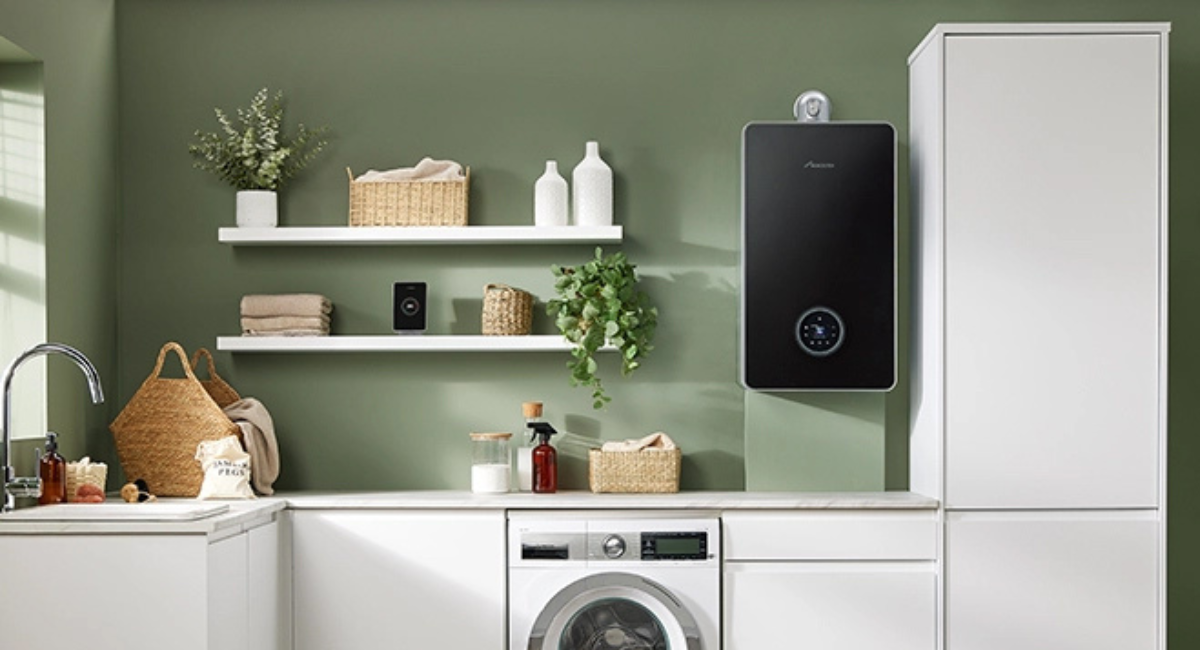
Choosing between a combi boiler and a system boiler is one of the biggest decisions when upgrading your heating. The right choice depends less on brand and more on how your home uses hot water and how much space you have.
Both combi and system boilers provide central heating, but they handle hot water very differently. Understanding this difference makes the decision much easier.
A combi boiler heats water directly from the mains as you open a tap. There is no separate hot water cylinder or cold water storage tank, so everything is on demand.
This means:
However, because hot water comes straight from the mains, the flow rate depends heavily on your incoming water pressure and pipe size.
A system boiler works with a separate hot water cylinder, usually in an airing cupboard. The boiler heats the water and stores it in the cylinder, ready for use.
The key benefits are stronger performance for larger homes and the ability to supply hot water to several taps or showers at the same time, as long as the cylinder is sized correctly. You still need some cupboard space and, in many cases, a bit more pipework than with a combi.
House size and the number of bathrooms are major factors in whether a combi or system boiler makes sense.
For smaller homes with one bathroom and perhaps an occasional use cloakroom toilet, a combi boiler is often a good fit. These properties typically have limited storage, so removing the need for a hot water cylinder is a big advantage.
If you rarely have more than one shower or bath running at the same time, and your mains pressure is decent, a modern combi can usually keep up comfortably.
For homes with two or more regular-use bathrooms, a system boiler usually performs better. Stored hot water in a cylinder means you can run multiple showers at once with less impact on flow.
If morning or evening peak times see several people showering, taps running in the kitchen and maybe an appliance filling at the same time, a well sized cylinder with a system boiler is more reliable and comfortable than stretching a combi.
Because combi boilers depend on mains water, poor flow rate and low pressure are warning signs they may not suit your home. Fitting a powerful combi on a weak mains supply does not improve performance; it simply highlights the limitation.
Typical signs you might be a poor fit for a combi include:
A Gas Safe engineer can carry out flow and pressure measurements at your stop tap and key outlets. If the numbers are low, they may suggest a system boiler with a cylinder, and in some cases upgrades to the incoming main.
Space is often the deciding factor between combi and system boilers, especially in smaller or older homes. A combi only needs a wall for the boiler unit and a flue route, which helps when storage is tight.
A system boiler needs an airing cupboard or similar for the cylinder, plus suitable pipe routes. In many cases, the cylinder can replace an old one on the same footprint, but if you have removed a tank previously to gain space, you may be reluctant to reinstate one.
Loft tanks are less common with modern system boilers, as many use mains pressure cylinders. However, access, insulation and structural strength should always be checked if any work in the loft is planned.
Think about how your household actually uses hot water. A combi is usually fine where showers and hot taps are used at different times and there are no big spikes in demand.
If your morning routine involves two or three showers running at once, plus someone washing up or running a hot tap in the kitchen, a system boiler with a correctly sized cylinder will give a more consistent experience.
Families with teenagers, shared houses, or homes that regularly host guests are often better matched to stored hot water, even if the property is not particularly large.
Your current heating system can influence whether a combi or system boiler is more straightforward to install. If you already have a hot water cylinder and the pipework is in good condition, sticking with a system-style setup can reduce disruption.
Converting from an old conventional boiler with tanks to a combi can free up space, but may involve more changes to pipework, controls and sometimes radiators. Older, small-bore pipework can restrict what a new combi can deliver, especially to distant outlets.
A professional survey looks at radiator sizes, pipe routes and existing controls so the engineer can advise whether a simple like-for-like system boiler makes sense or whether a full conversion to combi is practical.
In many Liverpool terraces and smaller houses, storage is limited and airing cupboards are often repurposed. In these homes, a compact combi boiler can be very attractive if the mains pressure and flow rate are up to the job.
In larger semis and extended properties, extra bathrooms and en suites are common. Here, a system boiler with an unvented cylinder can provide stronger performance to multiple outlets, especially where there are rainfall showers or large baths.
Local water pressure can vary street by street, so a site visit is usually the only reliable way to know how each option would perform in your specific home.
Before you speak to a Gas Safe engineer, it helps to have a few details ready. You can use this quick checklist to clarify your own thinking:
Also note any issues such as slow bath filling, radiators that never get fully hot, or noisy pipework. These can influence the design of your new system and might point to pipe or radiator upgrades alongside the boiler replacement.
Rules of thumb are helpful, but the final decision between combi and system boilers should come after a proper home survey. Measurements of your mains pressure, inspection of pipework, and a look at how your radiators are performing all feed into a safe, efficient design.
If you are planning a new bathroom, loft conversion or future extension, mention this during the assessment so your hot water setup can be sized with those changes in mind. It is usually cheaper to overspec slightly now than to upgrade again in a few years.
For tailored advice on combi vs system boilers in your own home, book a Gas Safe survey with RKL Plumbing & Heating. Call 07871850469 to arrange a visit and get clear guidance on your best options, or learn more on our Boiler Installation and Boiler Replacement pages.
Keeping Liverpool Homes Warm & Comfortable
RKL Plumbing & Heating Ltd (FRN 1050473) is an Introducer Appointed Representative of TradeHelp Ltd, for the purpose of credit broking introductions only, who are authorised and regulated by the Financial Conduct Authority (FRN 697812). RKL Plumbing & Heating Ltd introduce customers to TradeHelp Ltd and do not receive a fee for the introduction. TradeHelp Ltd are a credit broker, not a lender, and offer loans from Novuna Personal Finance, a trading style of Mitsubishi HC Capital UK PLC authorised and regulated by Financial Conduct Authority. Finance options are offered subject to status and credit check, which must be completed before commencement of works. A 14-day cooling off period applies to all applications. If cancelled within 14 days, alternative payment of the full outstanding balance must be made.
Copyright © RKL Plumbing & Heating Ltd | Designed By BUILT
.svg)
.svg)


