
September 30, 2026
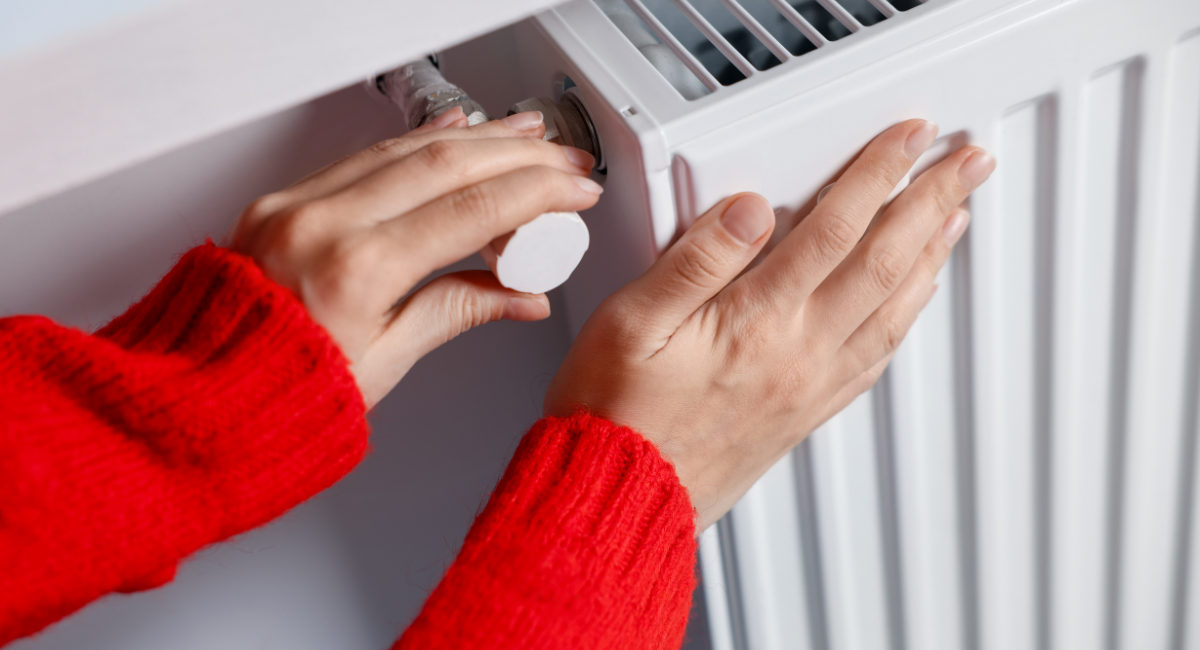
If some rooms are uncomfortably hot while others remain cold, your central heating system may need balancing. Balancing radiators means adjusting the lockshield valves so hot water flows more evenly around a multi-radiator wet central heating system, helping each room receive a fair share of heat.
This is suitable for many homes with several radiators connected to one boiler. It is not a cure for every heating fault, so work slowly and stop if anything seems unsafe or unclear.
An unbalanced system often heats the radiators closest to the boiler quickly, while those further away take much longer to warm up or never reach a comfortable temperature. You may also notice that the boiler runs for a long time, some rooms feel much hotter than others, or radiators have very different temperatures across the house.
Before adjusting anything, check that your thermostat is working, radiator thermostatic valves, or TRVs, are set appropriately and radiators are not blocked by furniture or thick curtains. Bleeding a radiator can remove trapped air, but it will not correct an uneven flow problem on its own.
You will usually need a radiator key, an adjustable spanner and a notebook or phone to record adjustments. A contact thermometer or infrared thermometer is optional, but it can make comparisons easier and reduce guesswork.
Identify the lockshield valve on each radiator. It is normally covered by a small cap and sits opposite the TRV. The lockshield controls the flow balance, so avoid making adjustments to the TRV when carrying out this process.
Do not force a stuck valve, loosen fittings unnecessarily or continue if you see water escaping. Hot water and metal surfaces can cause burns, so wear suitable gloves, keep children away from the work area and allow components to cool before handling them.
Patience is the key. Balancing can involve several rounds of small adjustments, followed by waiting for the water to circulate and temperatures to settle. In older Liverpool terraces, original pipework and older valves may make the process less straightforward, particularly if valves are stiff or partially restricted.
Balancing cannot repair a failing circulation pump, blocked pipework or heavy sludge inside radiators. A radiator that remains cold at the top may need bleeding, while one that is cold at the bottom may have sludge or restricted flow. A faulty TRV can also prevent an individual radiator from responding properly.
Repeatedly needing to bleed radiators, falling boiler pressure, unusual pump noises, leaks or radiators that stay cold after careful adjustments should be treated as signs of a wider issue. Avoid removing valves or opening sealed boiler components yourself.
Yes. You can compare radiator and pipe temperatures by hand carefully, but a contact or infrared thermometer gives more reliable readings. Never touch very hot surfaces with bare skin.
A small system may take an hour or two, while a larger or older installation can need several adjustment cycles. Allow time between changes so you are assessing stable temperatures rather than temporary readings.
Call a qualified engineer if you suspect a pump problem, sludge, stuck TRVs, repeated air in the system, pressure loss or a persistent leak. Professional help is also sensible if lockshields are seized or you cannot identify the correct valves. You can also arrange a boiler service if the problem continues.
Balanced radiators can make your home more comfortable and help your heating system work more smoothly, but persistent cold spots should not be ignored. For a safe heating check or boiler service, contact RKL Plumbing & Heating Ltd on 07871850469 to speak with Gas Safe engineers.
Keeping Liverpool Homes Warm & Comfortable
RKL Plumbing & Heating Ltd (FRN 1050473) is an Introducer Appointed Representative of TradeHelp Ltd, for the purpose of credit broking introductions only, who are authorised and regulated by the Financial Conduct Authority (FRN 697812). RKL Plumbing & Heating Ltd introduce customers to TradeHelp Ltd and do not receive a fee for the introduction. TradeHelp Ltd are a credit broker, not a lender, and offer loans from Novuna Personal Finance, a trading style of Mitsubishi HC Capital UK PLC authorised and regulated by Financial Conduct Authority. Finance options are offered subject to status and credit check, which must be completed before commencement of works. A 14-day cooling off period applies to all applications. If cancelled within 14 days, alternative payment of the full outstanding balance must be made.
Copyright © RKL Plumbing & Heating Ltd | Designed By BUILT
.svg)
.svg)


