
Winter-Proof Your Heating System | Essential Maintenance Tips Liverpool
Don't wait until the first cold snap to discover your heating isn't working. Follow these essential maintenance tips to ensure your boiler and heating system are ready for winter across Liverpool and Merseyside.
Winter in Liverpool can be unpredictable, and the last thing you want is for your heating to fail when temperatures drop. Every year, thousands of homeowners face emergency breakdowns during the coldest months simply because they didn't prepare their heating systems in advance. The good news? Most winter heating problems are preventable with some simple maintenance and forward planning. Here's your complete guide to winter-proofing your heating system before the cold weather arrives.
Book Your Annual Boiler Service Early
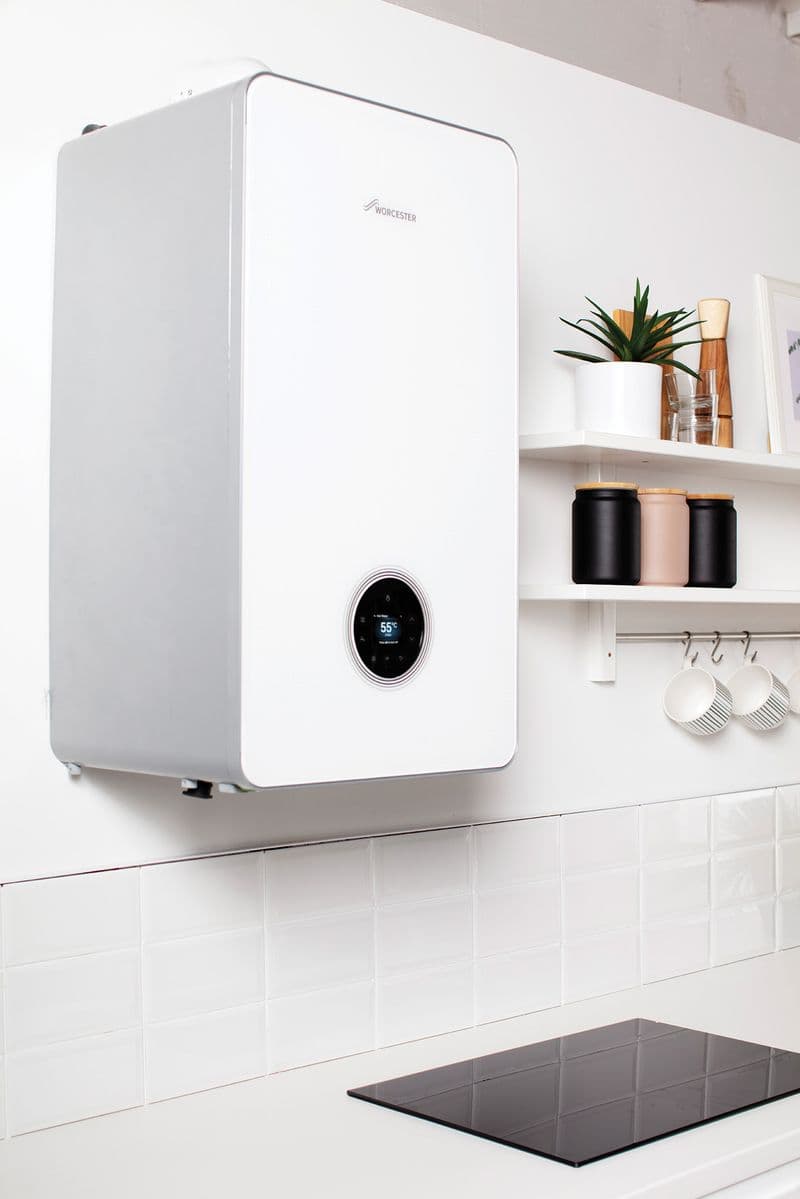
The single most important step in preparing for winter is scheduling your annual boiler service. We recommend booking this in early autumn, well before the winter rush when heating engineers are in high demand. A professional service by a Gas Safe registered engineer will identify potential issues before they become costly breakdowns, ensure your boiler is running efficiently, and keep your manufacturer's warranty valid. During a service, we check all safety devices, inspect for leaks, test carbon monoxide levels, and clean essential components, all crucial for safe, reliable winter operation.
Check and Adjust Your Boiler Pressure
Low boiler pressure is one of the most common heating problems during winter. Your boiler's pressure gauge should typically read between 1 and 1.5 bar when the system is cold. If it's dropped below 1 bar, your heating may not work properly or could cut out completely. Fortunately, topping up your boiler pressure is usually straightforward, consult your boiler manual or contact our team for guidance. However, if your boiler frequently loses pressure, this indicates a leak or fault that requires professional attention before winter sets in.
Bleed Your Radiators for Maximum Efficiency
Cold spots at the top of your radiators? This is caused by trapped air preventing hot water from circulating properly, making your heating system work harder and less efficiently. Bleeding your radiators is a simple DIY task that can make a significant difference to your home's warmth and your energy bills. Turn your heating on and check each radiator, if the top feels cooler than the bottom, it needs bleeding. Using a radiator key, carefully release the trapped air until water appears, then close the valve. Remember to check your boiler pressure afterwards and top up if necessary.
Test Your Heating Controls and Thermostat
When did you last check that your heating controls are working correctly? Test your thermostat by adjusting the temperature up and down to ensure your boiler responds appropriately. If you have a programmable or smart thermostat, review your settings to make sure they match your winter schedule, you might need different timings now that evenings are darker earlier. Faulty thermostats can cause your heating to run constantly or not turn on at all, wasting energy or leaving you in the cold. If your controls are unresponsive or erratic, have them checked before winter arrives.
Insulate Pipes and Protect Against Freezing
Frozen condensate pipes are a leading cause of boiler breakdowns during cold snaps in Merseyside. The condensate pipe carries wastewater away from your boiler, and if it freezes, your boiler will shut down as a safety precaution. Prevent this by insulating external pipes with foam tube insulation, it's inexpensive and easy to fit. Also check that your condensate pipe has adequate fall and isn't blocked. For extra protection, ensure your boiler's frost protection mode is activated (most modern boilers have this built-in) and consider leaving your heating on low when temperatures are forecast to drop below freezing.
Clear Vents and Check for Blockages
Your boiler needs adequate ventilation to operate safely, and blocked vents can lead to dangerous carbon monoxide buildup. Check that all air vents around your boiler are clear of obstructions, dust, and debris. If your boiler is in a cupboard, ensure there's sufficient airflow and nothing is stored directly against it. External flue terminals should also be clear, check for leaves, bird nests, or other blockages that could have accumulated over summer. These simple checks take minutes but are essential for safe operation throughout winter.
Consider a System Power Flush
If your radiators take ages to warm up, some are hot while others stay cold, or your boiler is making unusual noises, your system may have a sludge buildup. Over time, rust, dirt, and debris accumulate in your heating system, reducing efficiency and potentially damaging your boiler. A professional power flush clears this buildup, restoring circulation and efficiency. While not essential every year, if your system is showing these symptoms or hasn't been flushed in over five years, autumn is the ideal time to have this done before you rely on your heating daily.
Don't Ignore Warning Signs
Finally, pay attention to any unusual behaviour from your heating system. Strange noises, error codes, water leaks, or inconsistent performance are all signs that something needs attention. Addressing minor issues now, before they escalate, will save you from emergency callouts on the coldest day of winter. If you notice anything unusual, contact a Gas Safe registered engineer promptly, preventive maintenance is always more affordable than emergency repairs.
Stay Warm This Winter
Taking these simple steps now will help ensure your heating system runs reliably throughout the Liverpool winter. A well-maintained boiler is more efficient, safer, and far less likely to break down when you need it most. At RKL Plumbing & Heating Ltd, we've seen countless homeowners avoid costly winter emergencies simply by preparing their heating systems in advance.
Contact RKL Plumbing & Heating Ltd Today
Ready to winter-proof your heating? Our Gas Safe registered engineers provide comprehensive boiler servicing, system checks, and maintenance across Liverpool, Merseyside, and Cheshire. Don't wait until the cold weather arrives, book your annual service today and enjoy peace of mind all winter long. Contact us now for a quote or to schedule your appointment. We're here to keep your home warm and your heating running smoothly when you need it most.